African art has always existed in motion. It lives in ritual, in memory, in oral transmission, in objects passed from hand to hand and meaning to meaning. Yet for much of history, African creativity has been documented through external lenses—interpreted, categorized, and archived by institutions far removed from the cultures that produced it.
Today, a shift is underway. African artists, curators, writers, and collectors are reclaiming the narrative, insisting not only on visibility but on authorship. At the center of this shift lies an urgent question: who documents African art, and how is that documentation preserved?
Nimbus 2000 Magazine emerges within this moment—not as a trend-driven publication, but as a cultural record committed to context, depth, and continuity.
The Problem of Absence in Cultural Records
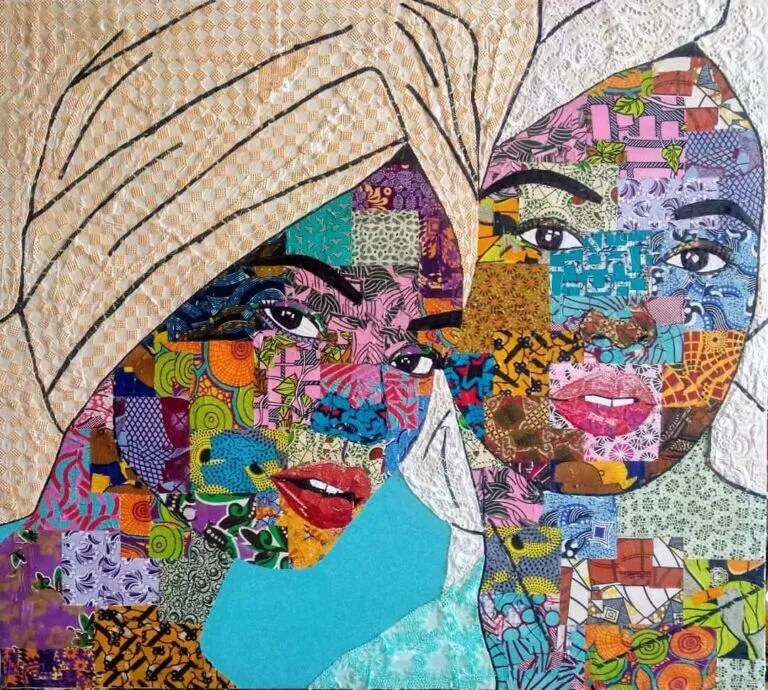
For decades, African art has been described through fragments. Exhibition catalogues appear briefly and disappear. Newspaper reviews capture moments but lack continuity. Social media amplifies images but often strips them of meaning.
The result is a scattered archive—one where artists’ intentions are lost, exhibitions go undocumented, and cultural movements fade without record.
This absence is not accidental. Colonial frameworks historically positioned African art as artifact rather than intellectual production. Even contemporary platforms often prioritize market appeal over cultural substance, favoring spectacle over sustained discourse.
Without deliberate documentation, African art risks becoming present everywhere but preserved nowhere.