

Collecting African art is not a race. It is a relationship—one that unfolds through curiosity, learning, and intention. For many new collectors, the first steps can feel overwhelming: where to begin, who to trust, and how to move beyond surface appeal. This guide is not about shortcuts. It is about building a foundation—one that allows your collection to grow with meaning, confidence, and cultural respect. 1. Begin With Curiosity, Not Capital You do not need a large budget to begin collecting African art. What you need first is attention. Spend time looking. Visit exhibitions. Browse galleries. Read essays and artist interviews. Observe which works stay with you and why. Your early encounters help clarify your interests long before your first acquisition. Ask yourself: Collecting begins with seeing. 2. Learn the Context Behind the Work African art is inseparable from context. Even the most contemporary pieces are shaped by history, place, and lived experience. Understanding this context deepens both appreciation and discernment. Before acquiring a work, learn: This knowledge protects you from collecting superficially and helps you build a collection anchored in meaning rather than trend. 3. Distinguish Between Traditional and Contemporary Art African art spans a wide spectrum. Traditional works—such as masks, sculptures, and ritual objects—often carry historical and spiritual significance. Contemporary works engage modern materials, concepts, and global conversations. Neither is more “authentic” than the other. They simply operate within different frameworks. New collectors benefit from understanding these distinctions before acquiring, especially when it comes to pricing, provenance, and preservation. 4. Start With One Artist, Not Many A common mistake among new collectors is spreading attention too thin. A more rewarding approach is to begin with one artist whose work genuinely resonates with you. Follow their practice. Learn about their influences. Observe how their work evolves. This focus builds discernment and helps you recognize quality across future acquisitions. Strong collections often begin with deep engagement, not variety. 5. Buy From Trusted Sources Trust is essential in African art collecting. Work with galleries, curators, and platforms that prioritize transparency, ethical representation, and artist relationships. Before purchasing, ensure: Avoid rushed decisions driven by hype or urgency. Serious collectors take time. 6. Understand Provenance and Documentation Provenance refers to the history of an artwork—where it has been, who has owned it, and how it entered circulation. While not every work will have extensive records, basic documentation matters. Ask for: These records strengthen both cultural and long-term value. 7. Set a Personal Collecting Framework Rather than collecting randomly, establish a loose framework. This could be: Your framework can evolve, but having one brings coherence to your collection and clarity to your decisions. 8. Collect Within Your Means—Thoughtfully There is no minimum threshold for collecting African art. Many respected collections began with modest acquisitions. What matters is alignment, not price. A small, well-considered collection is more meaningful than a large, unfocused one. Buy what you can live with—both aesthetically and ethically. 9. Live With the Art Art reveals itself over time. When you live with a piece, its meaning often deepens. This ongoing relationship helps refine your taste and strengthens future decisions. Allow works to speak. Let them challenge you. Let them change. Collecting is not static—it grows as you do. 10. Engage With the Ecosystem Collectors do not exist in isolation. Engage with artists, attend talks, read publications, and participate in cultural conversations. Support platforms that document African art thoughtfully. Share what you learn. Ask questions. The strongest collections are built within communities of exchange. 11. Think Long-Term, Not Transactionally Collecting African art is a long-term commitment. Markets fluctuate, but meaning endures. Avoid chasing immediate validation or resale potential. Ask instead: Art that lasts is art chosen with care. 12. Allow Your Collection to Reflect You There is no “correct” way to collect African art. Your collection should reflect your values, interests, and journey—not external expectations. Some collectors build archives. Others collect intuitively. Both approaches are valid when guided by respect and understanding. The goal is not perfection, but integrity. Closing Reflection To start collecting African art is to participate in a living cultural record. Each acquisition is a decision about what deserves attention, care, and continuity. Approach collecting slowly. Ask questions. Build relationships. Let your collection grow alongside your understanding. African art is not simply something to own—it is something to engage with, learn from, and preserve. Nimbus 2000 Magazine Guiding Thoughtful Collectors Through African Art.
What It Means to Build a Meaningful African Art Collection Today
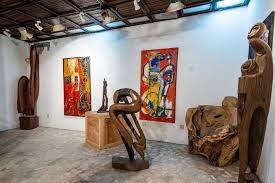
To collect African art today is to enter a space shaped by history, responsibility, and possibility. The global attention surrounding African artists has opened new doors for collectors, but it has also complicated the act of collecting itself. What was once an intimate practice rooted in relationships and cultural proximity is now entangled with international markets, speculative trends, and rapid visibility. In this environment, collecting African art requires more than taste or capital. It demands intent. Beyond Acquisition: The Collector’s Role Has Changed Traditionally, collectors were seen as custodians—individuals who preserved objects of cultural or aesthetic value. Today, the collector’s role is far more active. Decisions made in private collections ripple outward, influencing artistic careers, market direction, and historical record. Every acquisition answers a question, whether consciously or not: What kind of art deserves to endure? Nimbus 2000 Magazine approaches collecting not as accumulation, but as participation in a broader cultural ecosystem. A meaningful collection is not defined by scale, but by coherence, ethics, and understanding. The Difference Between Buying Art and Collecting Art Buying art is transactional.Collecting art is relational. A collector builds a dialogue—between works, between artists, and between moments in time. This dialogue requires curiosity and patience. It asks the collector to look beyond surface appeal and engage with context. Why was this work made?What conversation is it responding to?How does it sit alongside other works in the collection? For African art, these questions are especially important. Context is often the difference between appreciation and appropriation. Understanding Context in African Art African art does not exist in a vacuum. Even the most abstract contemporary work carries traces of history, place, and lived experience. To collect responsibly is to acknowledge these layers rather than erase them. This does not mean every work must be explained exhaustively. It means resisting the urge to reduce African art to aesthetics alone. Collectors who invest time in understanding context—through reading, dialogue with curators, and engagement with artists—build collections that are intellectually resilient. These collections age well because they are grounded in meaning, not fashion. Emerging Artists and the Ethics of Early Support One of the most powerful choices a collector can make is to support emerging artists. Early acquisitions can provide financial stability, confidence, and visibility at critical stages in an artist’s career. However, early support comes with ethical responsibility. Collectors must be mindful of power dynamics, pricing fairness, and long-term engagement. Supporting an artist is not a one-time gesture; it is a relationship that unfolds over time. Nimbus 2000 encourages collectors to see themselves not as discoverers, but as collaborators in growth. Provenance, Authenticity, and Trust As interest in African art grows, so does the importance of provenance. Authenticity is not only about confirming an artwork’s origin; it is about tracing its journey. Who represented the artist?How was the work acquired?What documentation exists? Collectors who prioritize transparency protect not only their investment, but the integrity of the ecosystem itself. Working with trusted galleries, curators, and platforms is essential. At Nimbus Gallery, this principle guides curatorial and advisory practices—ensuring that collectors acquire works with confidence and clarity. Collecting Across Mediums African art today spans painting, sculpture, textiles, photography, installation, and digital forms. A thoughtful collection need not be confined to a single medium, but it should maintain conceptual coherence. Some collectors focus on thematic connections—identity, migration, memory. Others follow geographic or generational threads. The most compelling collections are unified not by sameness, but by intention. The question is not what should I collect, but why does this work belong in my collection? Living With Art A collection does not begin and end in storage. Art is meant to be lived with, reflected upon, and revisited. Living with African art creates an ongoing relationship—one that evolves as the collector’s understanding deepens. Collectors often speak of works revealing new meanings over time. This is the mark of strong acquisition decisions. Art that continues to speak is art that was chosen with care. Nimbus 2000 encourages collectors to view their spaces—homes, offices, foundations—not as showrooms, but as environments of dialogue. Private Collections as Cultural Archives Many of the most important records of African art exist in private hands. Long before institutional recognition, private collectors preserved works that might otherwise have disappeared. Today, private collections continue to play a vital archival role. When collectors document their holdings, lend works to exhibitions, or support publications, they contribute to collective memory. A collection gains cultural weight when it is shared—through exhibitions, loans, or scholarship. In this way, private passion becomes public legacy. Navigating the Market Without Being Led by It Markets are cyclical. Artists rise and fall in visibility. Trends shift. Collectors who follow the market alone often find themselves reacting rather than shaping. Intentional collectors move differently. They listen to their instincts, but they also listen to history. They collect with a long view, understanding that relevance is not always immediate. Nimbus 2000 positions collecting as a practice of discernment—one that values depth over speed and conviction over consensus. The Collector as Learner The most respected collectors are perpetual learners. They ask questions. They read. They attend exhibitions and talks not to be seen, but to understand. Collecting African art is an education—one that unfolds across disciplines and experiences. Each acquisition expands not only a collection, but a worldview. Nimbus 2000 Magazine exists in part to support this learning—to provide collectors with thoughtful writing that deepens engagement and sharpens perspective. Looking Ahead: Legacy and Responsibility Every collection eventually outlives its collector. The question is what remains. Will the collection tell a story?Will it reflect care and thought?Will it contribute to how African art is remembered? Collecting with intent is an act of foresight. It recognizes that today’s decisions become tomorrow’s archives. In a moment of rapid attention and expanding markets, collectors have a choice: to chase value, or to help define it. Nimbus 2000 Magazine For Collectors Who Value Meaning as Much as Art.
Beyond the Market: Rethinking Value in African Art
In recent years, African art has experienced unprecedented global attention. Auction records are broken. International fairs spotlight African artists. Collectors compete for works that, only a decade ago, were overlooked or misunderstood. This moment is often celebrated as a long-overdue recognition of African creativity. Yet beneath the optimism lies a more complicated reality. Visibility does not always equal understanding. Market success does not automatically translate to cultural security. As African art enters new economic territories, it becomes necessary to ask a deeper question: how do we define value, and who gets to define it? When Value Becomes a Number In the global art ecosystem, value is frequently reduced to price. Headlines announce record sales. Rankings measure relevance by auction results. Artists are framed through their market trajectories rather than their ideas. This framework is not neutral. It privileges speed, scarcity, and speculation. It rewards work that fits existing collector expectations and sidelines practices that resist easy categorization. For African art, the danger is clear. When value is defined solely by the market, cultural meaning risks being flattened. Art becomes currency before it is understood as language. Nimbus 2000 Magazine insists on slowing this conversation down. African Art Before the Market Long before galleries and auctions, African art existed within systems of meaning that were communal, spiritual, political, and pedagogical. Objects were not created to circulate in isolation; they functioned within rituals, social structures, and cosmologies. Masks were not décor.Textiles were not fashion statements.Sculptures were not commodities. They were carriers of memory and power. Even contemporary African artists, working with modern materials and global references, remain in dialogue with this inheritance—sometimes embracing it, sometimes challenging it, often doing both simultaneously. To evaluate such work only through sales figures is to misunderstand its purpose. The Rise of the Global African Artist Today’s African artist operates in a complex terrain. They are expected to speak locally while appealing globally. Their work is often read as representative, symbolic, or explanatory—burdened with the task of “telling Africa’s story.” This expectation is limiting. African artists are not translators for a foreign gaze. They are thinkers responding to their own realities, histories, and questions. Their work may intersect with global issues, but it does not exist to validate external curiosity. Nimbus 2000 approaches the global African artist not as a phenomenon, but as a participant in ongoing intellectual traditions—ones that deserve critical engagement rather than market hype. Curation as Cultural Mediation Curation plays a critical role in shaping how value is perceived. A thoughtful exhibition does more than display work; it creates relationships between objects, ideas, and audiences. In African art contexts, curatorial care is especially important. Without it, works risk being exoticized, aestheticized, or removed from their conceptual grounding. Nimbus 2000 advocates for curation that is dialogical rather than declarative—one that invites viewers into complexity rather than offering simplified narratives. Such curation resists the urge to explain Africa and instead allows African art to speak on its own terms. Collecting With Responsibility Collectors occupy a powerful position within the art ecosystem. Their choices influence careers, trends, and institutional attention. For African art, collecting is not merely an act of acquisition; it is an act of stewardship. Responsible collecting asks different questions: What is the context of this work?How is the artist supported beyond the sale?What stories are being preserved through this collection? Nimbus 2000 encourages collectors to see themselves not as owners, but as custodians of cultural memory. This perspective shifts collecting from accumulation to participation. The Market Is Not the Enemy To critique the market is not to reject it entirely. Markets provide artists with resources, exposure, and sustainability. The issue arises when the market becomes the sole measure of worth. African art deserves economic recognition, but not at the cost of intellectual depth. Artists should be able to succeed financially without being forced into aesthetic or thematic constraints. Nimbus 2000 positions itself not against the market, but alongside it—offering a space where discourse and reflection can coexist with commerce. Writing Against Erasure One of the most effective ways markets erase complexity is through silence. Artists are sold without being written about. Movements emerge without documentation. Exhibitions close without record. Writing disrupts this cycle. Through essays, interviews, and critical reflections, Nimbus 2000 creates textual anchors—documents that outlast trends and preserve thought. Writing ensures that African art is not only seen, but remembered with nuance. This commitment transforms the magazine into more than a publication. It becomes a repository of voices and ideas. African Art as Intellectual Production Too often, African art is discussed in emotional or aesthetic terms while its intellectual rigor is overlooked. Artists are praised for expression but rarely engaged as theorists. Nimbus 2000 challenges this imbalance. Art is thinking.Art is argument.Art is inquiry. When African artists address migration, identity, gender, spirituality, or technology, they are participating in global philosophical conversations. Their work deserves to be read, not merely admired. Building Alternative Value Systems If the market cannot fully capture the value of African art, what can? Alternative value systems emerge through community engagement, critical discourse, educational initiatives, and cultural preservation. These systems recognize impact beyond price and relevance beyond trend cycles. Nimbus 2000 contributes to this ecosystem by centering long-form thinking. It values sustained attention over instant reaction. It privileges depth over virality. In doing so, it offers a counterbalance to a culture of immediacy. The Role of the Magazine Today In an age of endless content, the magazine format may seem anachronistic. Yet its strength lies precisely in its refusal to rush. A magazine curates attention.It creates rhythm.It allows ideas to breathe. Nimbus 2000 uses this format intentionally—to carve out space for African art to be engaged with seriousness and care. It does not chase relevance; it cultivates resonance. Toward a More Honest Future The future of African art will not be determined by markets alone. It will be shaped by the conversations we choose to have, the records we choose to keep, and the values we choose to prioritize.
The Magazine as Archive
Historically, magazines have played a vital role in shaping cultural movements. From literary journals to art reviews, they have acted as both mirror and memory. For African art, the magazine format offers something essential: continuity. Unlike fleeting digital posts, a magazine allows ideas to unfold across issues. Artists can be followed over time. Themes can evolve. Conversations can deepen. Nimbus 2000 positions itself as an archive in progress—a place where African creativity is not only showcased but tracked, questioned, and remembered. Centering Artists as Thinkers One of the most persistent misconceptions about African artists is the expectation that their work must always “represent” culture rather than interrogate it. Nimbus 2000 resists this framing. Artists are not symbols.They are thinkers, researchers, and theorists in their own right. By foregrounding artists’ voices—through interviews, essays, and first-person reflections—the magazine restores intellectual agency. It allows artists to articulate their processes, doubts, and philosophies without simplification. This approach does not seek consensus. It embraces contradiction, experimentation, and debate. Writing as Cultural Practice In many African contexts, writing about art has been undervalued compared to making it. Yet writing is itself a cultural act—one that clarifies thought and extends influence. Nimbus 2000 treats writing as seriously as visual production. Contributors are encouraged to think critically, to situate art within broader social and historical currents, and to challenge comfortable narratives. This is not writing for validation.It is writing for continuity. When African art is written about by African writers, a lineage forms—one that future generations can return to, question, and build upon. From Local Moments to Global Conversations African art today is undeniably global. Artists move between continents. Exhibitions circulate internationally. Biennales, fairs, and festivals draw global attention. Yet global visibility does not automatically translate to global understanding. Nimbus 2000 bridges this gap by grounding global conversations in local realities. Lagos, Accra, Nairobi, Johannesburg, Dakar—these are not backdrops but intellectual centers. The magazine insists that African art does not need translation to be relevant; it needs attention, respect, and sustained engagement. Memory, Power, and Preservation Archives are sites of power. They determine what is remembered and what is erased. For African art, building our own archives is an act of self-determination. Nimbus 2000 contributes to this effort by documenting exhibitions, conversations, and cultural moments that might otherwise disappear. It captures not just polished outcomes but the thinking behind them. This is preservation not as nostalgia, but as preparation. Future curators, artists, and scholars will need records that speak from within the culture—not interpretations imposed from outside it. The Responsibility of the Present Generation Every generation inherits incomplete histories. The question is what it chooses to do with that inheritance. For today’s African cultural practitioners, the responsibility extends beyond creation to documentation. It is not enough to make work; the work must be situated, discussed, and preserved. Nimbus 2000 does not claim to be definitive. It is one voice among many. But it is a deliberate voice—one that understands that culture survives through attention. Looking Forward African art is not emerging; it is evolving. The challenge is ensuring that its evolution is recorded with integrity. Nimbus 2000 Magazine exists to meet this challenge. It is a space for reflection in a fast-moving world, for depth in an age of speed, and for memory in a time of constant renewal. To document African art is not to fix it in place, but to allow it to travel—across time, across generations, and across meaning. In preserving the present, we safeguard the future. Nimbus 2000 Magazine African Art. Cultural Thought. Living Archives.
Why African Art Needs Its Own Archives
African art has always existed in motion. It lives in ritual, in memory, in oral transmission, in objects passed from hand to hand and meaning to meaning. Yet for much of history, African creativity has been documented through external lenses—interpreted, categorized, and archived by institutions far removed from the cultures that produced it. Today, a shift is underway. African artists, curators, writers, and collectors are reclaiming the narrative, insisting not only on visibility but on authorship. At the center of this shift lies an urgent question: who documents African art, and how is that documentation preserved? Nimbus 2000 Magazine emerges within this moment—not as a trend-driven publication, but as a cultural record committed to context, depth, and continuity. The Problem of Absence in Cultural Records For decades, African art has been described through fragments. Exhibition catalogues appear briefly and disappear. Newspaper reviews capture moments but lack continuity. Social media amplifies images but often strips them of meaning. The result is a scattered archive—one where artists’ intentions are lost, exhibitions go undocumented, and cultural movements fade without record. This absence is not accidental. Colonial frameworks historically positioned African art as artifact rather than intellectual production. Even contemporary platforms often prioritize market appeal over cultural substance, favoring spectacle over sustained discourse. Without deliberate documentation, African art risks becoming present everywhere but preserved nowhere.