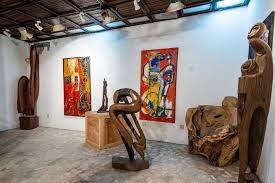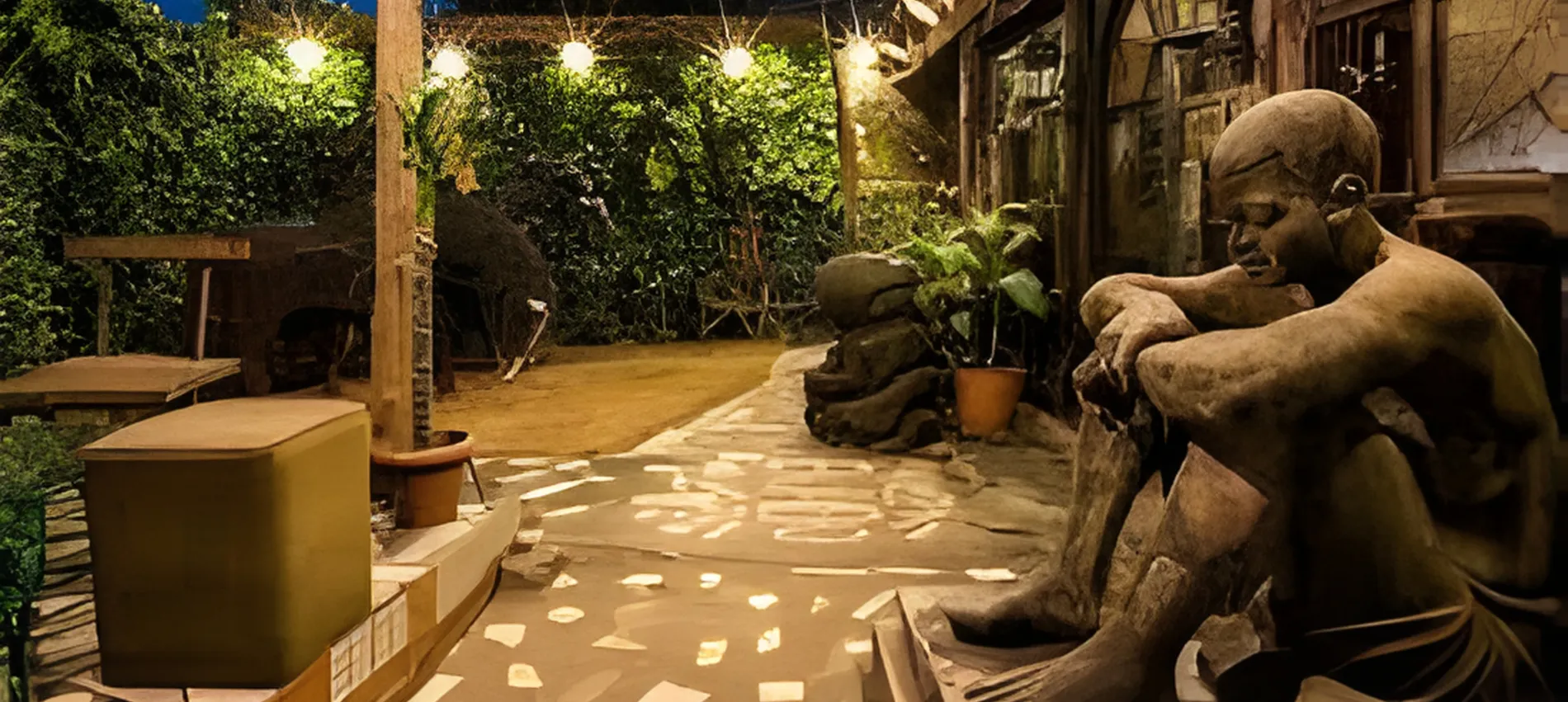
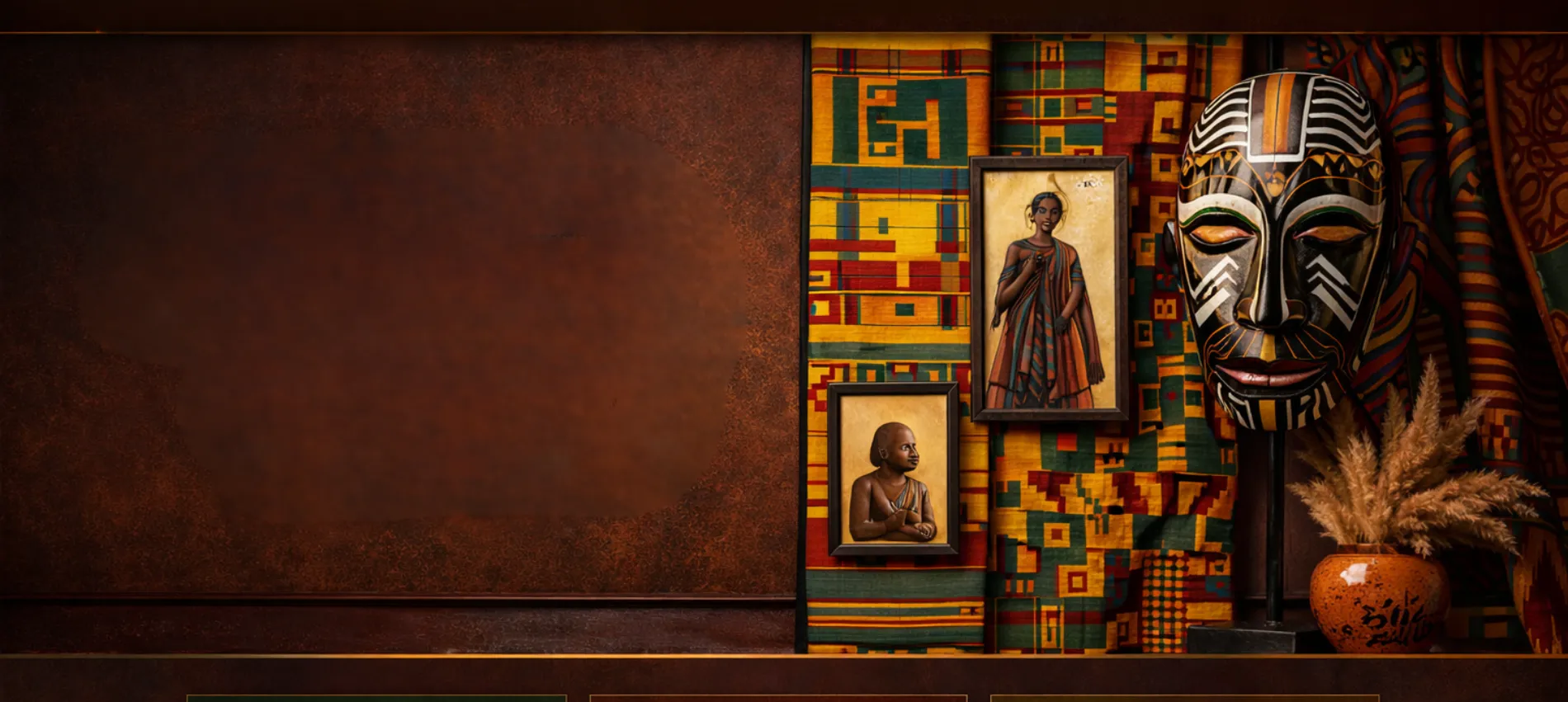
Historically, magazines have played a vital role in shaping cultural movements. From literary journals to art reviews, they have acted as both mirror and memory.
For African art, the magazine format offers something essential: continuity.
Unlike fleeting digital posts, a magazine allows ideas to unfold across issues. Artists can be followed over time. Themes can evolve. Conversations can deepen.
Nimbus 2000 positions itself as an archive in progress—a place where African creativity is not only showcased but tracked, questioned, and remembered.
Centering Artists as Thinkers
One of the most persistent misconceptions about African artists is the expectation that their work must always “represent” culture rather than interrogate it.
Nimbus 2000 resists this framing.
Artists are not symbols.
They are thinkers, researchers, and theorists in their own right.
By foregrounding artists’ voices—through interviews, essays, and first-person reflections—the magazine restores intellectual agency. It allows artists to articulate their processes, doubts, and philosophies without simplification.
This approach does not seek consensus. It embraces contradiction, experimentation, and debate.
Writing as Cultural Practice
In many African contexts, writing about art has been undervalued compared to making it. Yet writing is itself a cultural act—one that clarifies thought and extends influence.
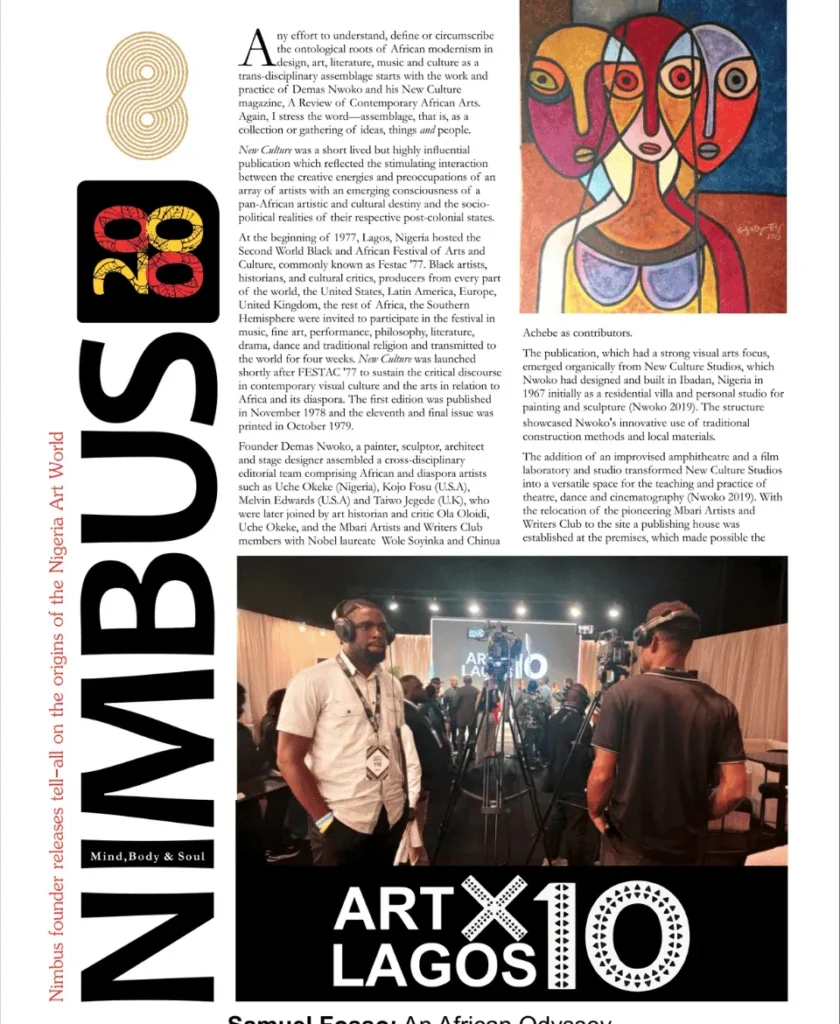
Nimbus 2000 treats writing as seriously as visual production. Contributors are encouraged to think critically, to situate art within broader social and historical currents, and to challenge comfortable narratives.
This is not writing for validation.
It is writing for continuity.
When African art is written about by African writers, a lineage forms—one that future generations can return to, question, and build upon.
From Local Moments to Global Conversations
African art today is undeniably global. Artists move between continents. Exhibitions circulate internationally. Biennales, fairs, and festivals draw global attention.
Yet global visibility does not automatically translate to global understanding.
Nimbus 2000 bridges this gap by grounding global conversations in local realities. Lagos, Accra, Nairobi, Johannesburg, Dakar—these are not backdrops but intellectual centers.
The magazine insists that African art does not need translation to be relevant; it needs attention, respect, and sustained engagement.
Memory, Power, and Preservation
Archives are sites of power. They determine what is remembered and what is erased. For African art, building our own archives is an act of self-determination.
Nimbus 2000 contributes to this effort by documenting exhibitions, conversations, and cultural moments that might otherwise disappear. It captures not just polished outcomes but the thinking behind them.
This is preservation not as nostalgia, but as preparation.
Future curators, artists, and scholars will need records that speak from within the culture—not interpretations imposed from outside it.
The Responsibility of the Present Generation
Every generation inherits incomplete histories. The question is what it chooses to do with that inheritance.
For today’s African cultural practitioners, the responsibility extends beyond creation to documentation. It is not enough to make work; the work must be situated, discussed, and preserved.
Nimbus 2000 does not claim to be definitive. It is one voice among many. But it is a deliberate voice—one that understands that culture survives through attention.
Looking Forward
African art is not emerging; it is evolving. The challenge is ensuring that its evolution is recorded with integrity.
Nimbus 2000 Magazine exists to meet this challenge. It is a space for reflection in a fast-moving world, for depth in an age of speed, and for memory in a time of constant renewal.
To document African art is not to fix it in place, but to allow it to travel—across time, across generations, and across meaning.
In preserving the present, we safeguard the future.
Nimbus 2000 Magazine
African Art. Cultural Thought. Living Archives.